The WHO recognises art and music as public health tools
Art and music are often associated with well-being or escapism. The World Health Organization goes much further: it recognises their real and measurable role in prevention, health promotion and therapeutic support.
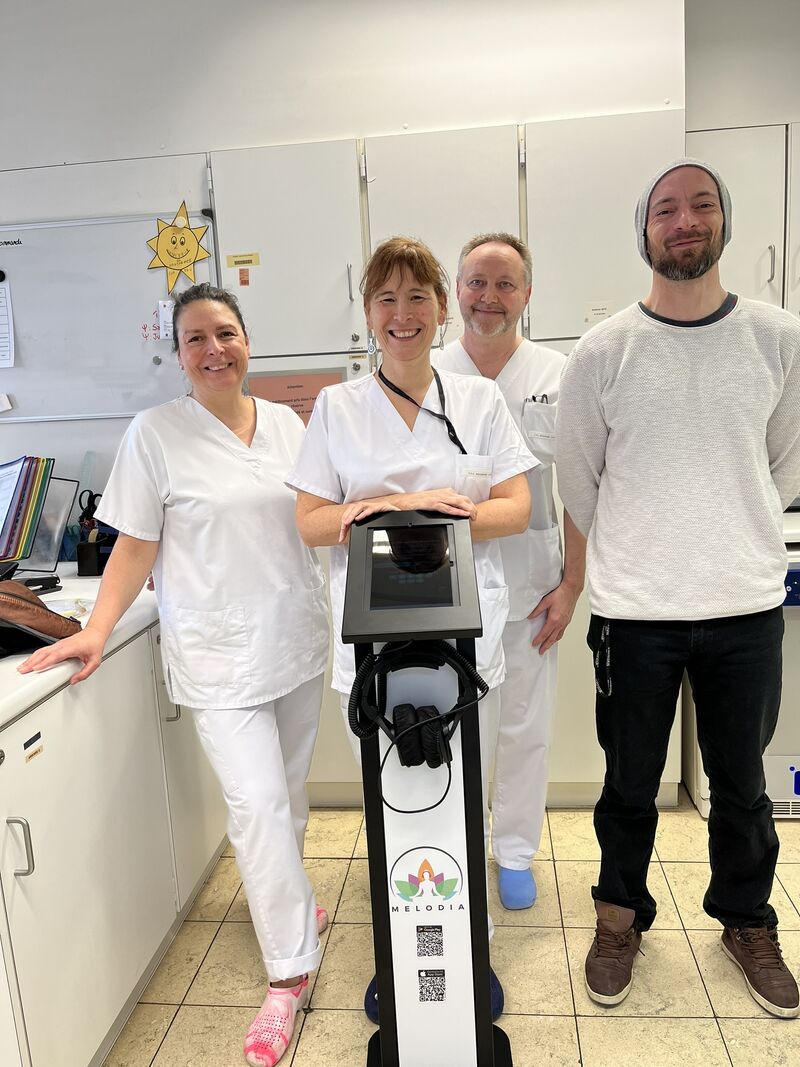
The Melodia Station in the palliative care unit at CHU Brugmann.
Did you know? The WHO officially recognises art and music as genuine public health tools.
A vast body of scientific evidence
In 2019, WHO Europe published a scientific review covering more than 3,000 studies. The findings are clear. Taking part in art and music, or being exposed to them:
- reduces stress and anxiety;
- promotes better sleep;
- helps with physical and cognitive rehabilitation;
- contributes to the management of chronic pain.
These effects are observed at all ages, from childhood to old age. In other words, art is not just a nice “extra”: it is a complementary therapeutic tool, backed by solid scientific evidence.
Integrating the arts into health policy
The WHO does not stop at findings. It actively encourages governments and health institutions to integrate the arts into national care strategies. What does that mean in practice?
- Developing music therapy and art therapy programmes in hospitals.
- Using art and music to improve mental health and prevent suicide.
- Enhancing quality of life in oncology, palliative care and maternal health.
- Creating cross-cutting projects between health, education, culture and social services.
And the list goes on. In 2023, the WHO published a report on how the arts can help tackle noncommunicable diseases, and launched, with The Lancet, a research series on the health benefits of the arts.
Melodia Therapy: putting these recommendations into practice
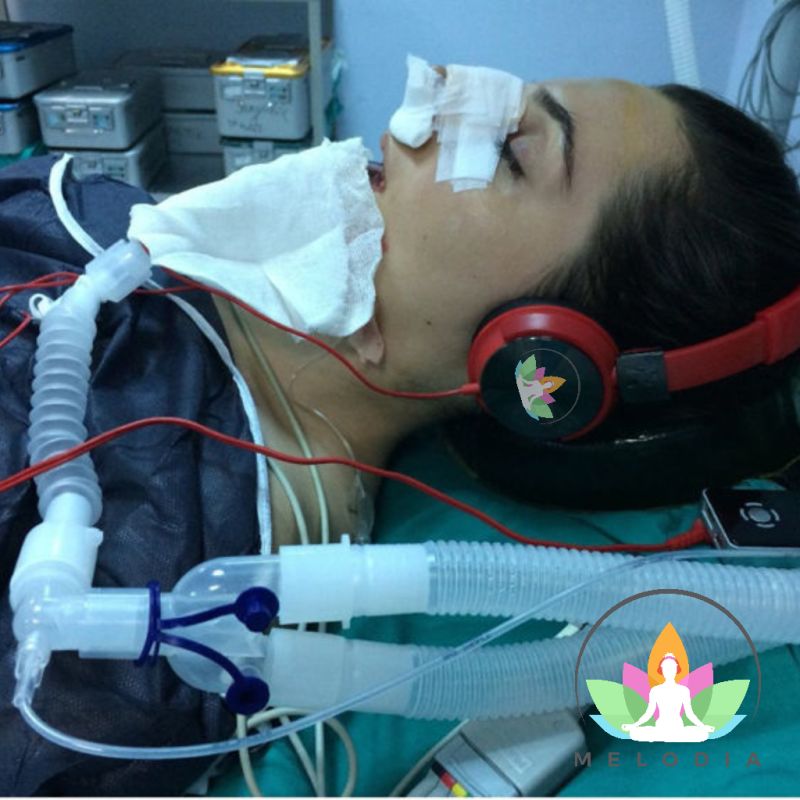
At Melodia Therapy, we have built these principles into the heart of our approach. Our professional digital solution combines sound therapy, nature sounds and protocols grounded in scientific research to support:
- pain management;
- the reduction of stress and anxiety;
- better sleep and concentration.
Already used in several hospitals, medical centres and associations in Europe, Melodia Therapy shows how the WHO's recommendations can be turned into concrete action, for patients and carers alike.
What about tomorrow?
If, tomorrow, music and sound protocols were as much a part of care pathways as drug treatments, who do you think would gain? And so, who would lose?
For me, that future is already being built.
Further reading
- WHO Europe, 2019What is the evidence on the role of the arts in improving health and well-being? A scoping review (Fancourt and Finn)
- WHOArts and Health: the WHO reference page on policies and action
- WHO Europe, 2023The power of healing: the arts and noncommunicable diseases
- WHO and The Lancet, 2023A research series on the health benefits of the arts