Music is finding its rightful place in palliative care
Back from training sessions at Clinique Saint-Jean and CHR Sambre et Meuse: how can we make music accessible, at the right moment, to a person at the end of life, without adding to the teams' daily workload?
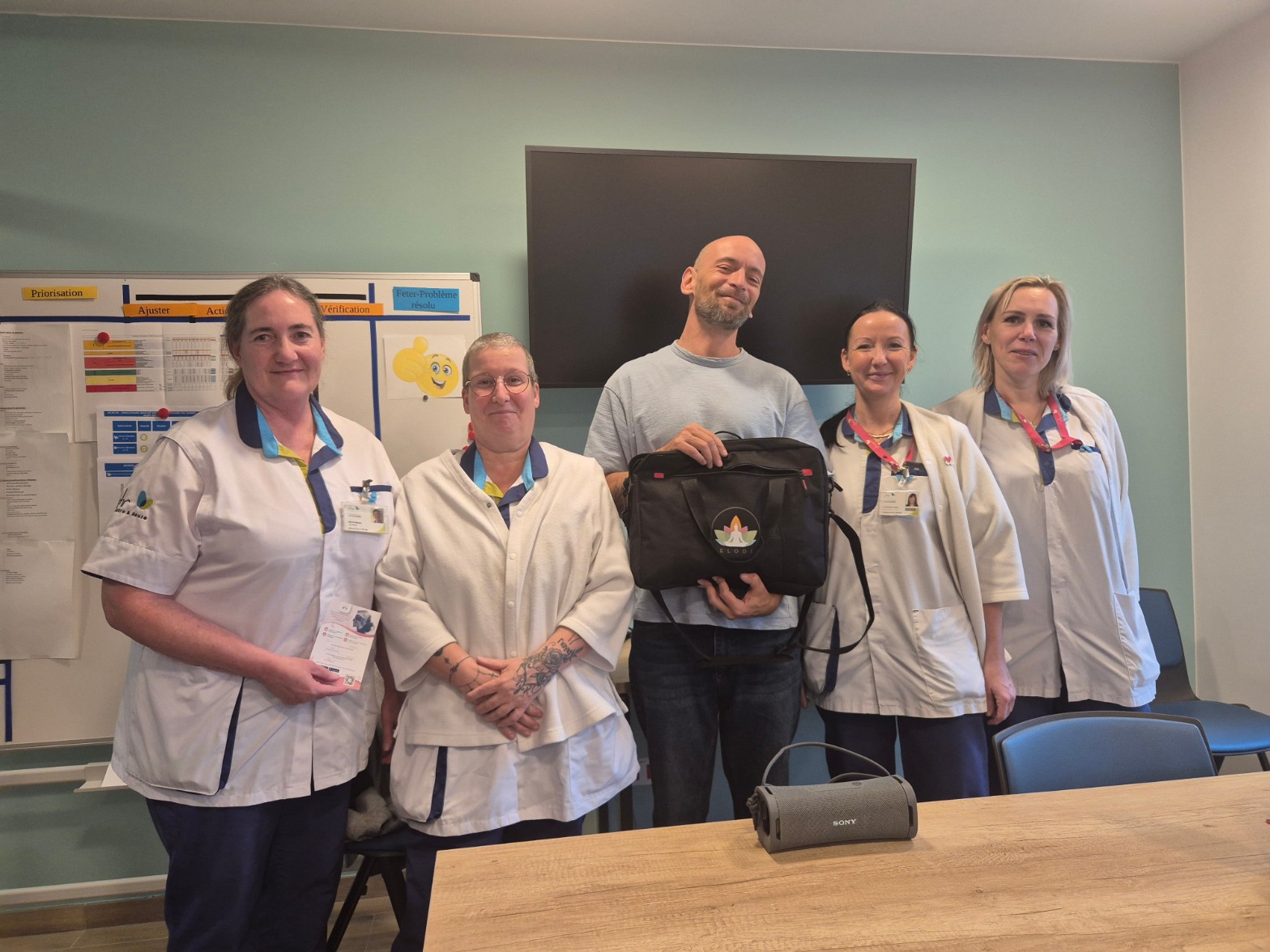
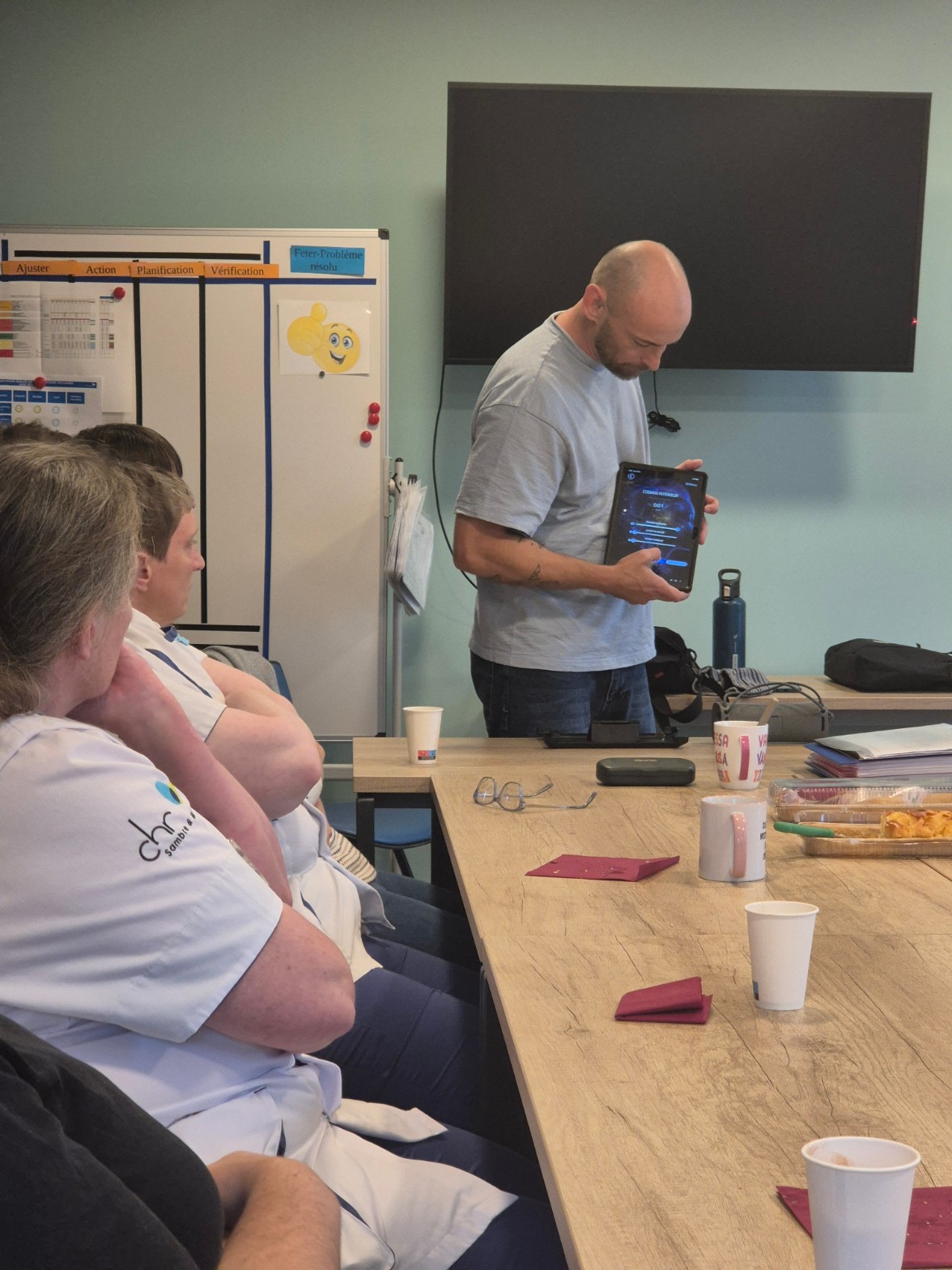
Over the past few weeks, I have had the opportunity to run training sessions at Clinique Saint-Jean – Kliniek Sint-Jan in Brussels, and for ACACIA at the Centre Hospitalier Régional Sambre et Meuse (CHRSM).
What I take away from these meetings is that there is still work to be done for patient well-being to become an essential component of healthcare. Not on the part of carers and teams, but at a structural and financial level.
At my level, a very practical question arises: how can we make music accessible, at the right moment, to a person going through a difficult period, without adding to the teams' daily workload?
Pain cannot be reduced to a scale
In palliative care, pain cannot always be reduced to a rating scale, or to a complaint overheard in a corridor. There is also anxiety, fatigue, difficult nights, and sometimes the need to find a little calm or human and social connection again.
Music is not the answer to everything. But it can open up a different space, chosen by the person, at their own pace.
What the research says: encouraging results, to be qualified
The research findings are encouraging, but they call for nuance, and for caution.
A meta-analysis of 11 randomised trials, covering 969 patients at the end of life, reports a reduction in pain and an improvement in quality of life.
A randomised trial of 80 people with advanced cancer, receiving palliative care at home, evaluated listening to pre-recorded music chosen by the patients, 30 minutes a day for seven days. The researchers observed an improvement in several symptoms, including pain, anxiety, fatigue and sleep.
These results are useful for thinking about access to music, including through digital tools. To go further, our Science page details the studies on which Melodia is based.
Digital tools to ease access, not to replace
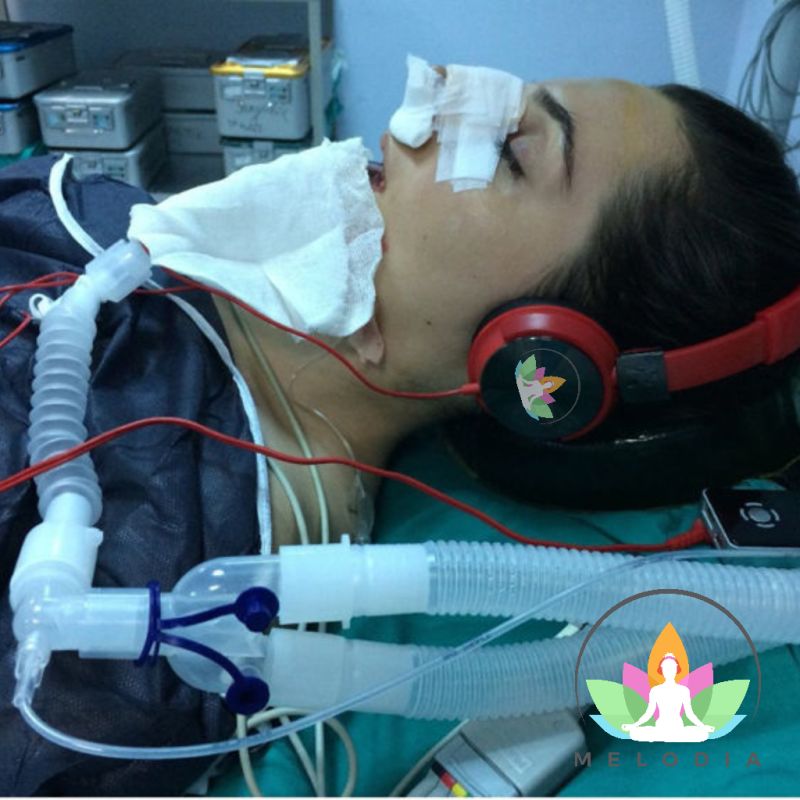
This is where digital tools can help: making personalised listening easier to access, without claiming to replace the presence of a music therapist, the attention of a carer or medical treatment.
Music therapy is a structured therapeutic approach. Listening to recorded music can be another form of support. The two should not be confused.
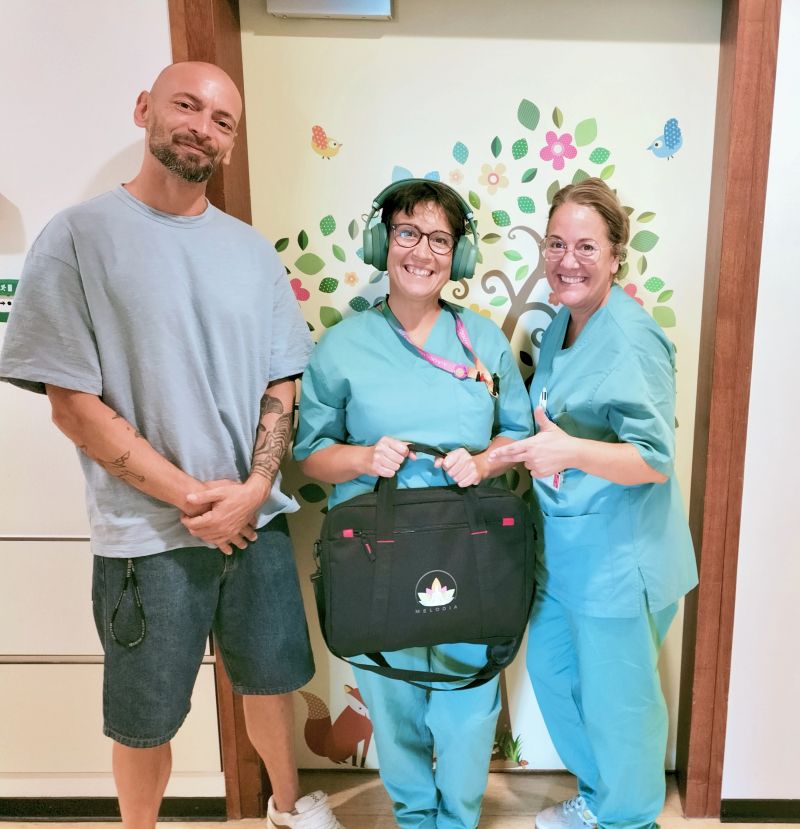
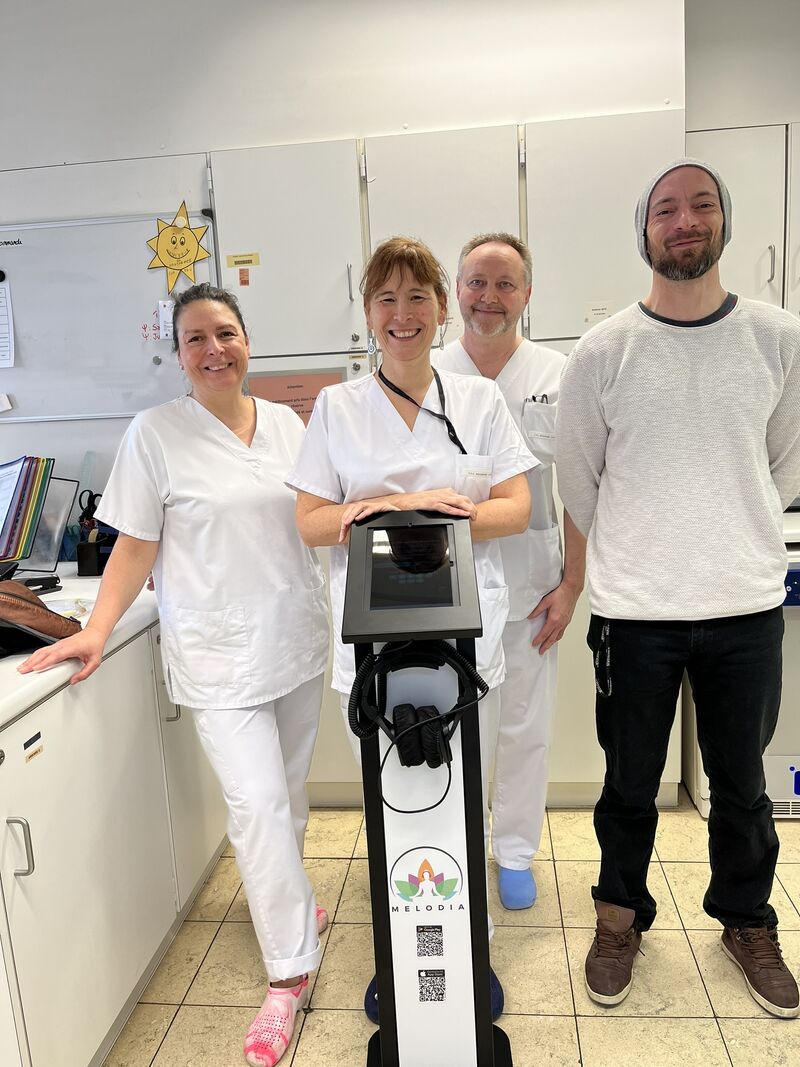
The training sessions were also an opportunity to present the Melodia Therapy Case and the Melodia Station used at CHU Brugmann. For us, these tools are only worthwhile if they fit simply into existing practice and leave real room for the person's preferences.
Supporting, with sensitivity
Music does not replace palliative care. It can, sometimes, accompany it: with sensitivity, and with expectations in line with the available evidence.
I would also like to warmly thank the Fondation Ginette Louviaux for its unwavering commitment to patients in palliative care.
Further reading
- Warth et al., 2015Music therapy and relaxation in palliative care
- Randomised trial, 2024Pre-recorded music at home and symptoms
- Bradt et al., 2024Music therapy and pain in advanced cancer
- Meta-analysis, 969 patientsPain and quality of life at the end of life
- Literature reviewDigital tools in palliative care: music, apps and virtual reality