Music reduces pain and the need for analgesics
What a meta-analysis of more than 7,000 surgical patients shows, and what we saw at the pain clinic of Clinique Notre-Dame de Grâce in Gosselies, where Melodia accompanies ketamine sessions.

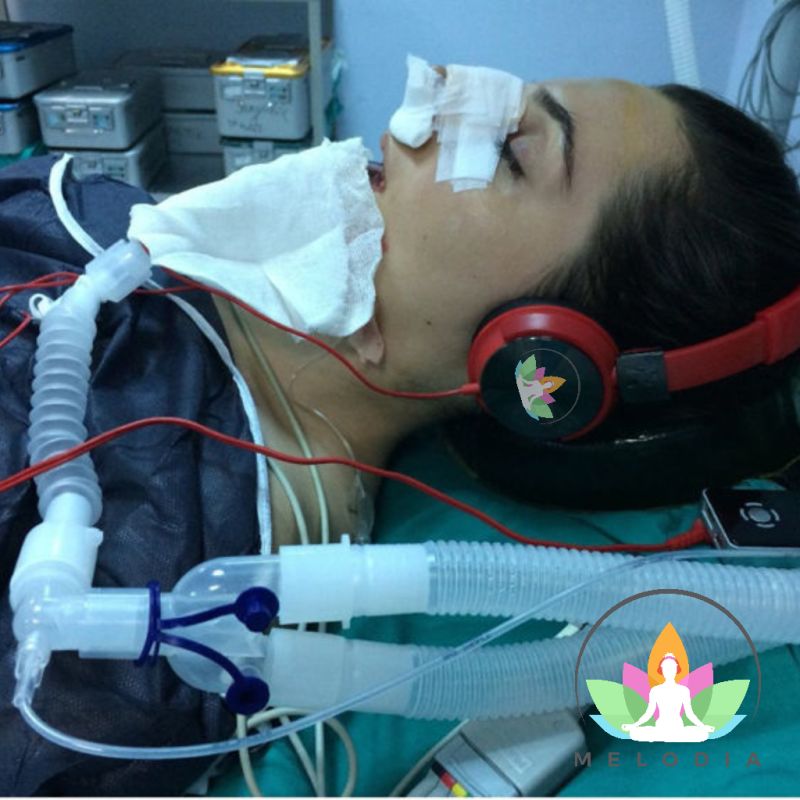
A meta-analysis published in The Lancet in 2015, pooling 73 randomised trials and more than 7,000 surgical patients, showed that those who listened to music felt less pain, needed fewer analgesics and were more satisfied with their care after the operation.
Pain management is evolving.
At the pain clinic in Gosselies
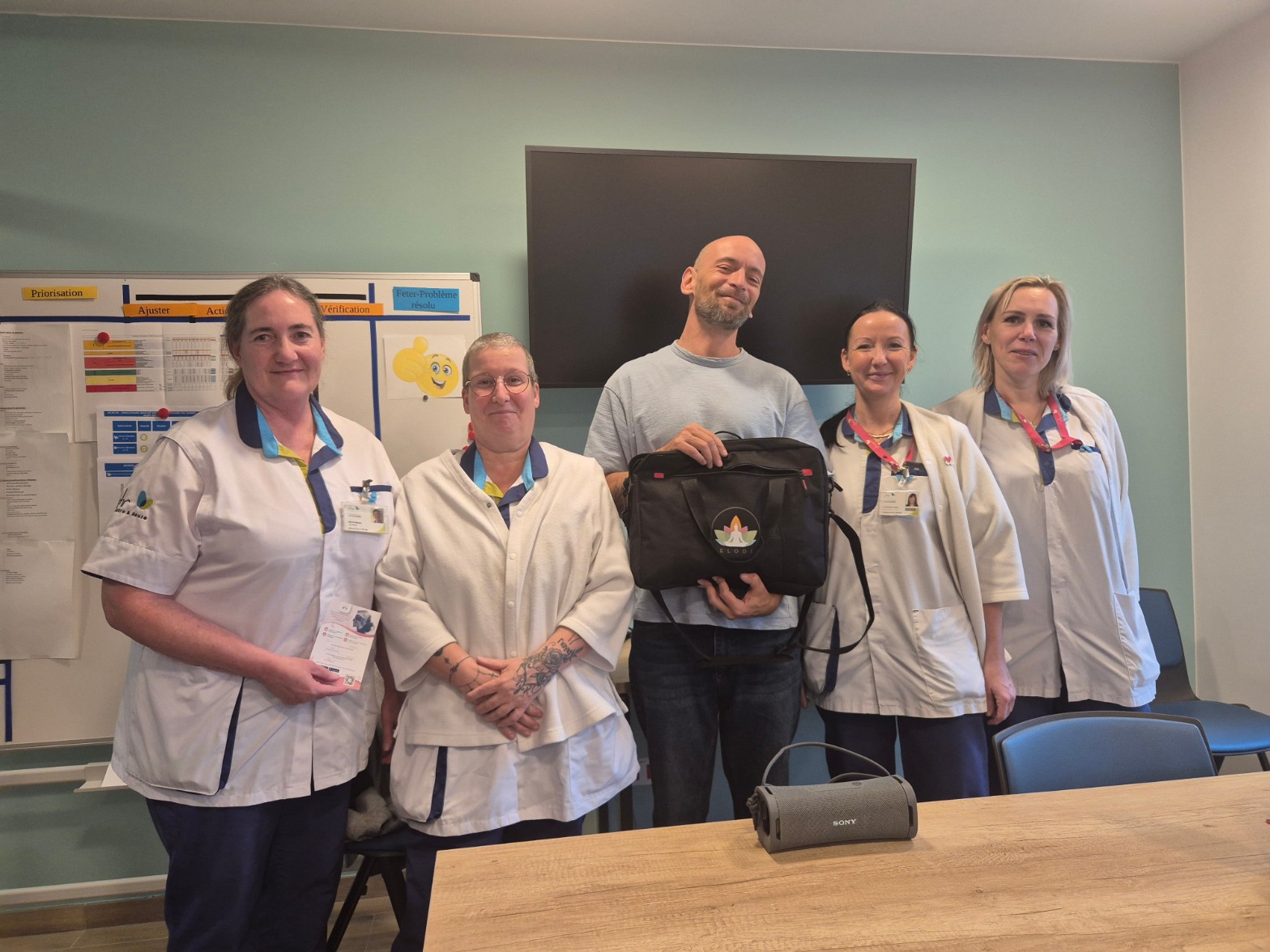
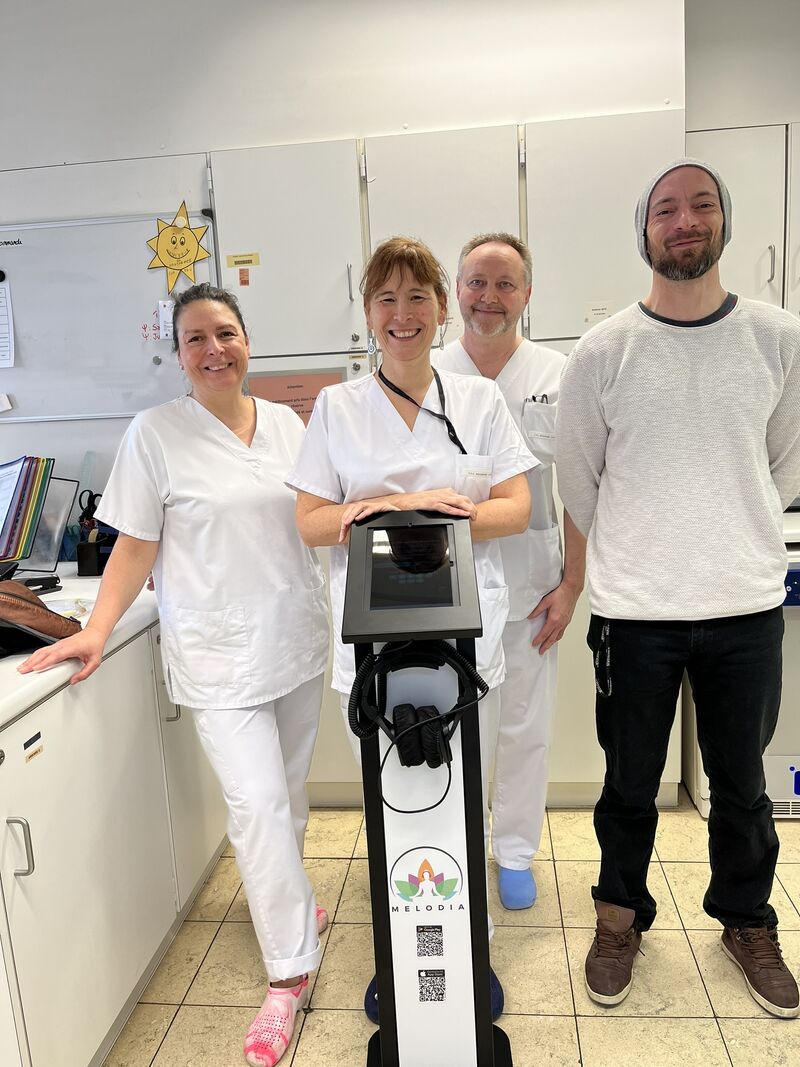
I was lucky enough to visit Clinique Notre-Dame de Grâce in Gosselies. The pain clinic teams there use Melodia Therapy to support patients, particularly during ketamine sessions.
- Some find greater serenity and gentleness in it.
- Others can finally receive their treatment, because the music calms them enough to make it possible.
- In several cases, the team has observed a marked drop in blood pressure.
How does it work?
Melodia Therapy combines several techniques studied in clinical trials:
- Binaural beats: they promote brain synchronisation and reduce anxiety and pain.
- Nature sounds: their calming effects on stress and recovery are documented, with activation of the parasympathetic nervous system.
- Relaxing music: it activates the reward system and reduces the perception of pain.
- Personalisation: each patient adapts their sound journey to their condition and needs.
The studies behind each of these techniques are detailed on our Science page.
An approach that has its place in care
The WHO recommends integrating music and non-pharmacological interventions into the management of chronic pain. In Gosselies, we can see the effects first-hand.
Thank you to the care teams for their welcome and their commitment to patients.